


Supports and funding for profound needs
Navigating the NDIS can feel overwhelming, especially when supporting someone with profound or severe autism. This page answers common questions from families and carers, helping you understand what supports are available, how to access funding, and what to do when challenges arise.
The NDIS is our lifeline
Frequently Asked Questions
If you’re caring for someone with significant communication, behavioural, or daily living support needs, the NDIS can fund a range of essential services. Understanding your options is key to ensuring safety, quality of life, and long-term outcomes.
If your non-verbal child’s iPad has been used as a communication device and is no longer working, any parent would desperately want to replace it. As an IPAD isn’t generally a disability support, the NDIA considers funding an iPad as a replacement support; this approach can significantly reduce other supports, such as speech therapy and/or support workers over time.
What is the recommended approach?
Instead of requesting another iPad, you should contact your child’s speech therapist as soon as possible to discuss trialling disability-specific AAC (Augmentative and Alternative Communication) devices.
Why not request a replacement iPad?
Although an iPad may seem like the quickest solution, funding it as a replacement support can reduce your plan budget, often at the expense of valuable supports like speech therapy or core supports. Additionally, iPads are not considered specialised, long-term communication devices and may become obsolete more quickly.
What should I do next?
- Ask your speech therapist to assess your child’s needs and support a trial of a dedicated AAC device.
- Submit an amended request to the ART (Assistive Technology Request), stating that:
- You have received professional advice recommending a device after disability-specific AAC trials.
- Your child will be trialling devices (such as a Liberator, Zyteg or Link Assistance Devices).
- You will seek additional funding for a suitable long-term communication device in line with s34 of the NDIS Act and Part 3 of the Support Rules.
How is this funded?
AAC devices are typically funded as specialised assistive technology and may draw from multiple funding streams, rather than impacting a single support category like an iPad replacement would.
Where can I learn more about alternative AAC devices?
You can explore options such as Liberator, Zyteg and Link Assistance devices
Q: My child is at risk of eloping. How can a GPS tracker help?
A: A GPS tracker can provide real-time location monitoring, allowing caregivers to respond quickly if a child leaves a safe environment.
For children who elope, it is a critical safety tool, but it should always be used alongside supervision and other supports, not as a replacement.
Q: Can I use an Apple iWatch or smartwatch instead?
A: Generally, this is not recommended and unlikely to be funded by the NDIS.
Smartwatches (such as Apple iWatch devices) are considered mainstream, multi-purpose products and are only funded if approved as a replacement support.
This is important because:
- Replacement supports can result in reductions to funding in other areas (e.g., therapy or support hours), and
- They are assessed differently from disability-specific supports.
Q: Are smartwatches suitable for children who elope?
A: In most cases, no. Smartwatches are not designed specifically for disability-specific supports.
Common concerns include:
- Bands can come loose or be easily removed
- Devices can be taken off, lost, or tampered with
- They lack specialised safety features required for high-risk situations
- Not allowed to be used in childcare and school facilities
Q: What type of GPS tracker is recommended?
A: A purpose-built, disability-specific GPS device is recommended. These devices are designed specifically for safety and may include:
- Secure, tamper-resistant wear options
- Live tracking
- SOS alerts
- Fall detection (in some models)
These features make them more appropriate for children with high safety risks, such as elopement.
Q: Will the NDIS fund a GPS tracker?
A: Yes, in many cases, if it meets the “reasonable and necessary” criteria.
A GPS tracker is more likely to be funded when it is:
- Disability-specific
- Clearly linked to safety needs
- Supported by clinical evidence (e.g., Occupational Therapist and/or Behaviour Therapist reports)
Q: Why not choose a replacement support like a smartwatch?
A: Choosing a replacement support can have significant consequences, including:
- Reduced funding for therapies or core supports
- Less flexibility in your plan
- Approval requirements that are often more complex and restrictive
For this reason, replacement supports should be approached with caution.
At this stage, it is evident that access to funded disability-specific swimming programs remains highly contested. Case law in this area continues to be tested, with the NDIA consistently opposing the funding of gap fees for programs such as the Rainbow Club Disability Water Program. even at the Tribunal level.
Practical Therapeutic Alternatives Within Current NDIA Parameters
Given the current rigidity in NDIA decision-making, families may need to consider alternative pathways that better align with the “reasonable and necessary” criteria.
One viable approach is to engage appropriately qualified allied health professionals, such as:
- Occupational Therapists (OTs)
- Behaviour Therapists (BTs)
- Physiotherapists
These professionals who can deliver:
- Aquatic Occupational Therapy or Hydrotherapy, and
- Integrate functional goals, including:
- Water safety awareness
- Elopement risk management
- Communication supports (e.g., Key Word Sign)
Importantly, these water safety interventions can be reframed as therapy, rather than recreational activity, increasing the likelihood of funding approval, or you can just redivert your OT funds to an aquatic OT.
There is also emerging anecdotal evidence from families that aquatic therapy has led to measurable improvements in areas such as:
- Core strength
- Regulation
- Body awareness
Private Options and Financial Burden
Alternative programs, such as Autism Swim packages, provide specialised instruction tailored to autistic individuals. However, these programs often fall outside NDIS funding parameters and incur high out-of-pocket costs for families.
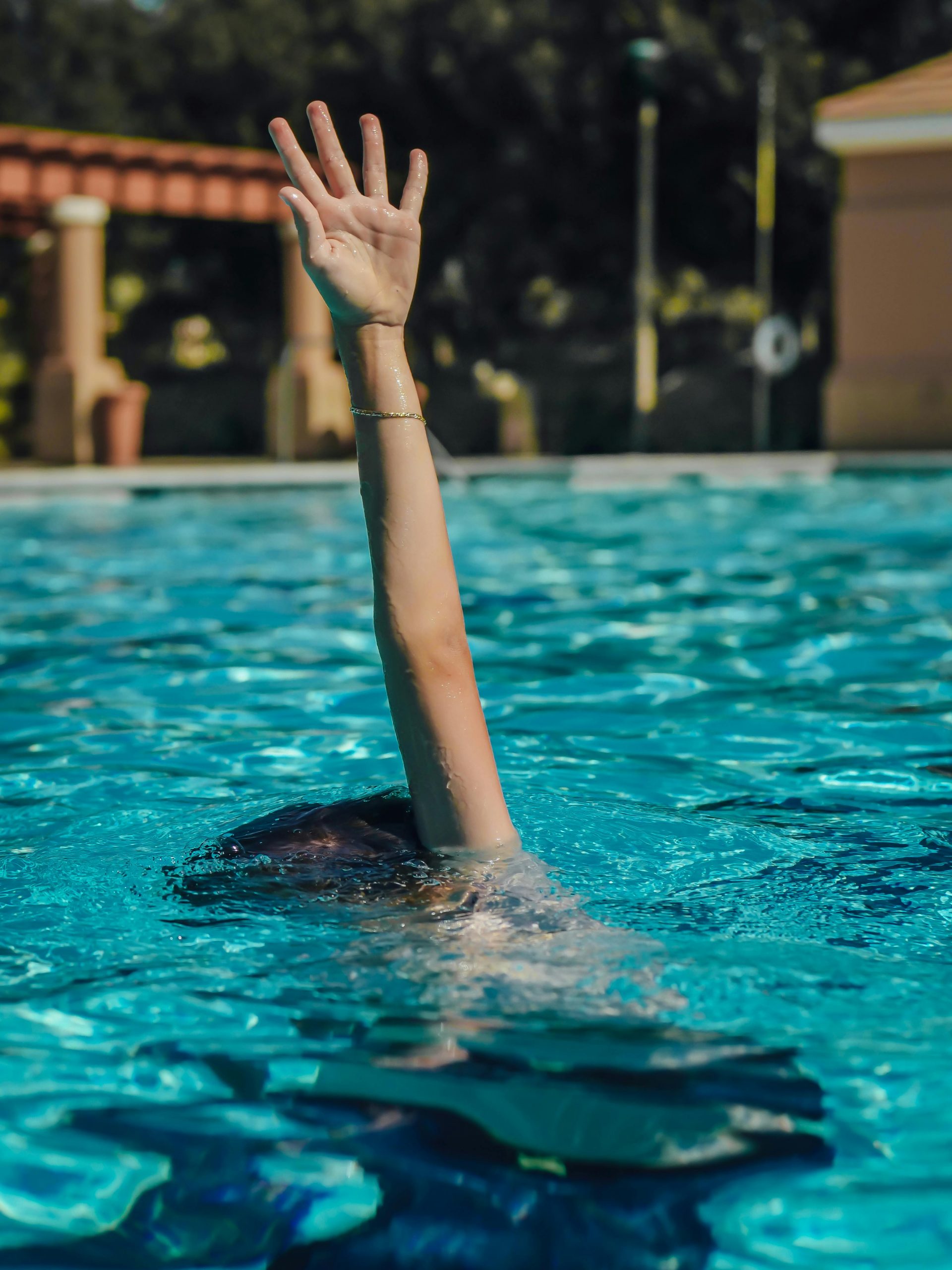
Risk Context: Water Safety and Autism
There remains a critical gap in Australian data. The Australian Bureau of Statistics (ABS) does not currently report specifically on:
- Autistic drownings
- Autism-related misadventure deaths
As a result, families and practitioners must rely on international data, which consistently demonstrates that:
- Individuals with autism, particularly those with severe or profound support needs, are at significantly increased risk of drowning
- Water is often a strong sensory attractor, increasing the likelihood of elopement toward water environments
The risk profile for this cohort is therefore well established, even if local data collection remains inadequate.
In the current funding environment, families are often required to work within strict and inflexible NDIA interpretations. While this can be frustrating, it is critical to prioritise risk mitigation and safety outcomes.
Where direct funding for specialised swim programs is denied, reframing supports through:
- Allied health intervention, and
- Clearly defined functional goals
may provide a more effective and defensible pathway.
Families should not be discouraged from pursuing supports that protect the safety of children with severe and profound autism, even where this requires adapting to the constraints imposed by the system.
Disclaimer
Profound Autism Network
The information provided in this FAQ is for general guidance only and does not constitute legal, financial, or NDIS planning advice.
Participants and their representatives are encouraged to seek independent advice where required. This may include consulting with a qualified professional or obtaining legal advice to fully understand their rights, obligations, and available options under the NDIS.